
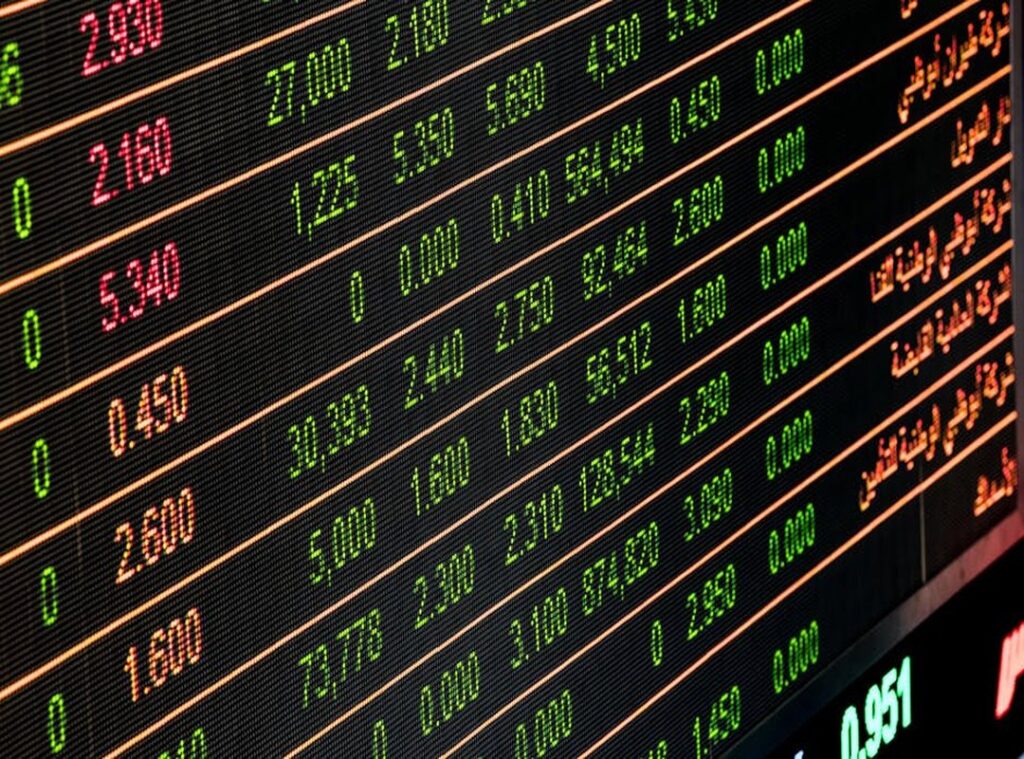
Stocks. Bonds. The market.
It all sounds like gibberish until someone explains it plainly.
I’ve watched too many people shut down at the first mention of Financial Cwbiancamarket. Not because they’re not smart. But because no one ever started with what it actually is.
So let’s fix that.
This isn’t a glossary. It’s not a lecture. It’s how the financial investment market works.
Stripped of jargon, stripped of assumptions.
I’ve broken this down for nurses, teachers, and auto mechanics. People who needed to understand it. Not impress anyone with it.
You’ll walk away knowing what moves prices. Why bonds exist. How “the market” isn’t some shadowy force.
It’s just people trading.
No fluff. No filler. Just clarity.
That’s what you’re getting here.
What Is the Financial Investment Market, Really?
It’s not magic. It’s not gambling. It’s just people trading pieces of value.
The Financial Investment Market is where buyers and sellers swap financial assets. Stocks, bonds, ETFs, options. That’s it.
Think of it like a global farmer’s market. But instead of tomatoes and honey, you’re haggling over slices of Apple or IOUs from the U.S. government.
I’ve stood in real farmer’s markets. People shout prices. They inspect goods.
They walk away if the deal feels off. Same thing happens here. Just with spreadsheets and servers.
Its main job? Let companies and governments raise cash. And let you (yes,) you.
Put money to work instead of letting it rot in a low-interest account.
You don’t need a Wall Street office to play. You need a brokerage account. A little patience.
And the sense to ignore most of what CNBC says before breakfast. (some) markets are built differently. The Cwbiancamarket is one of them.
Financial Cwbiancamarket isn’t a typo. It’s a specific structure. I won’t pretend it’s for everyone.
It’s not mainstream. It’s niche. And it moves on its own rhythm.
Most people shouldn’t touch it without reading the rules first.
Would you buy a used car without checking the title?
Then why jump into something you haven’t mapped?
Stocks pay dividends. Bonds pay interest. Some things just pay attention.
If you give it.
You already know this. You just needed someone to say it out loud.
Stocks, Bonds, Funds: What You’re Actually Buying
Stocks are shares of ownership in a company. Not control. Not a board seat.
Just a tiny slice (like) owning one brick in a skyscraper.
But it felt like it.)
I bought my first stock at 22. Felt like I owned something real. (Spoiler: I didn’t.
They aim for long-term growth. Not quick flips. Not guaranteed returns.
Just patience and time.
If the company does well, your brick gains value. If it tanks? Your brick gets dusty.
That’s how it works.
Bonds are loans you make. To a company or the government. You’re the bank now.
Not the borrower.
You get paid interest. Usually on a schedule. Like clockwork.
It’s boring. It’s reliable. It’s not sexy.
I hold bonds when I need sleep. Not excitement.
They don’t grow fast. But they rarely vanish overnight. That matters more than most people admit.
Mutual funds and ETFs are baskets. Not magic. Not genius.
Just someone else bundling hundreds of stocks or bonds. Or both (into) one thing you can buy with one click.
Diversification isn’t theory. It’s math. One company fails?
You’re fine. Ten fail? Still fine.
That’s the point.
ETFs trade like stocks. Mutual funds settle once a day. Doesn’t matter much for beginners.
Pick one. Start there.
Don’t overthink the ticker symbol. Overthinking is how people freeze.
The Financial Cwbiancamarket doesn’t reward perfection. It rewards consistency.
I opened my first fund with $50. No fanfare. No spreadsheet.
Just clicked “buy.”
You don’t need to understand every bond covenant. You don’t need to read every earnings report.
You do need to know what each piece does in your portfolio.
Stocks grow. Bonds steady. Funds simplify.
That’s enough to start.
Seriously.
What’s stopping you from buying one share today?
How It All Works: The Engine of the Market

I used to think stock exchanges were just big rooms with people yelling. Turns out they’re more like traffic controllers for money.
The New York Stock Exchange is a real place. Not a website. Not an app.
A physical building in lower Manhattan where orders get matched, prices get set, and trades get locked in.
You don’t walk in there yourself. You need a broker. Think of them like a real estate agent (except) instead of houses, they handle shares of companies.
They talk to the exchange for you. They file your buy or sell order. They collect their fee.
Simple.
And yes. It’s still mostly human-driven behind the scenes. Even if you tap “buy” on your phone, that order hits a broker’s system first.
Then comes supply and demand. No charts. No jargon.
If ten people want to buy Apple stock right now, but only three are selling, the price jumps. Not because someone decided it should. Because buyers start bidding higher to get what they want.
Same thing the other way. Too many sellers. Not enough buyers.
Price drops. Fast.
It smells like coffee and stale carpet in those trading floors. Sounds like rapid-fire chatter and keyboard clatter. Feels tense.
I covered this topic over in Strategies Cwbiancamarket.
Real.
You feel it when your portfolio dips (not) as data, but as a knot in your stomach.
That tension? That’s the market breathing.
The Cwbiancamarket is one of those lesser-known hubs doing this same work (slowly,) consistently, outside the spotlight. (I checked their site. It’s lean.
No fluff.)
Financial Cwbiancamarket isn’t some abstract idea. It’s live order flow. It’s matching bids and asks in real time.
It’s people making decisions based on what they see, hear, and expect.
No magic. No algorithms whispering secrets. Just people trading (with) rules, with limits, with consequences.
Would you trust a broker who couldn’t explain how the exchange actually clears your trade?
Most don’t ask. I did. And it changed everything.
Start there. Not with charts. With the room.
Who’s Actually Running This Show?
I’ll cut through the noise.
There are three groups calling the shots in the Financial Cwbiancamarket.
Individual investors. That’s you, me, your neighbor who just opened a Roth IRA. We’re betting our paychecks on things we barely understand.
(Most of us don’t read prospectuses. Let’s be real.)
Institutional investors are the opposite. Pension funds. Insurance giants.
Hedge funds with more money than some countries. They move markets before breakfast.
Then there’s the SEC. Not some shadowy cabal (it’s) a government agency with teeth. They write the rules.
They fine people. They shut things down. And yes, they’re underfunded and overworked.
(Like every federal agency.)
You think regulators don’t matter? Try trading penny stocks without them. Spoiler: it gets ugly fast.
Retail investors get blamed for volatility. But institutions set the price. Regulators set the guardrails.
So whose moves should you watch most?
Not the loudest voice on Twitter. Not the flashiest newsletter. The ones moving billions.
And the ones holding them accountable.
If you want to play this game, start by understanding how those three forces interact.
For practical ways to align with that reality, check out strategies for navigating the Cwbiancamarket.
You Belong in the Financial Cwbiancamarket
This isn’t gatekept. It’s learnable.
That overwhelmed feeling? Yeah. I felt it too.
But it fades fast once you know where to look.
You don’t need permission. You need one small action.
Open a paper trading account today.
Or read just one company’s annual report.
That’s it. That’s your first real step. Do it now (before) doubt talks you out of it.
 Founder & CEO
There is a specific skill involved in explaining something clearly — one that is completely separate from actually knowing the subject. Jorveth Ollvain has both. They has spent years working with smart budgeting tools in a hands-on capacity, and an equal amount of time figuring out how to translate that experience into writing that people with different backgrounds can actually absorb and use.
Jorveth tends to approach complex subjects — Smart Budgeting Tools, Investment Portfolio Insights, Market Momentum being good examples — by starting with what the reader already knows, then building outward from there rather than dropping them in the deep end. It sounds like a small thing. In practice it makes a significant difference in whether someone finishes the article or abandons it halfway through. They is also good at knowing when to stop — a surprisingly underrated skill. Some writers bury useful information under so many caveats and qualifications that the point disappears. Jorveth knows where the point is and gets there without too many detours.
The practical effect of all this is that people who read Jorveth's work tend to come away actually capable of doing something with it. Not just vaguely informed — actually capable. For a writer working in smart budgeting tools, that is probably the best possible outcome, and it's the standard Jorveth holds they's own work to.
Founder & CEO
There is a specific skill involved in explaining something clearly — one that is completely separate from actually knowing the subject. Jorveth Ollvain has both. They has spent years working with smart budgeting tools in a hands-on capacity, and an equal amount of time figuring out how to translate that experience into writing that people with different backgrounds can actually absorb and use.
Jorveth tends to approach complex subjects — Smart Budgeting Tools, Investment Portfolio Insights, Market Momentum being good examples — by starting with what the reader already knows, then building outward from there rather than dropping them in the deep end. It sounds like a small thing. In practice it makes a significant difference in whether someone finishes the article or abandons it halfway through. They is also good at knowing when to stop — a surprisingly underrated skill. Some writers bury useful information under so many caveats and qualifications that the point disappears. Jorveth knows where the point is and gets there without too many detours.
The practical effect of all this is that people who read Jorveth's work tend to come away actually capable of doing something with it. Not just vaguely informed — actually capable. For a writer working in smart budgeting tools, that is probably the best possible outcome, and it's the standard Jorveth holds they's own work to.