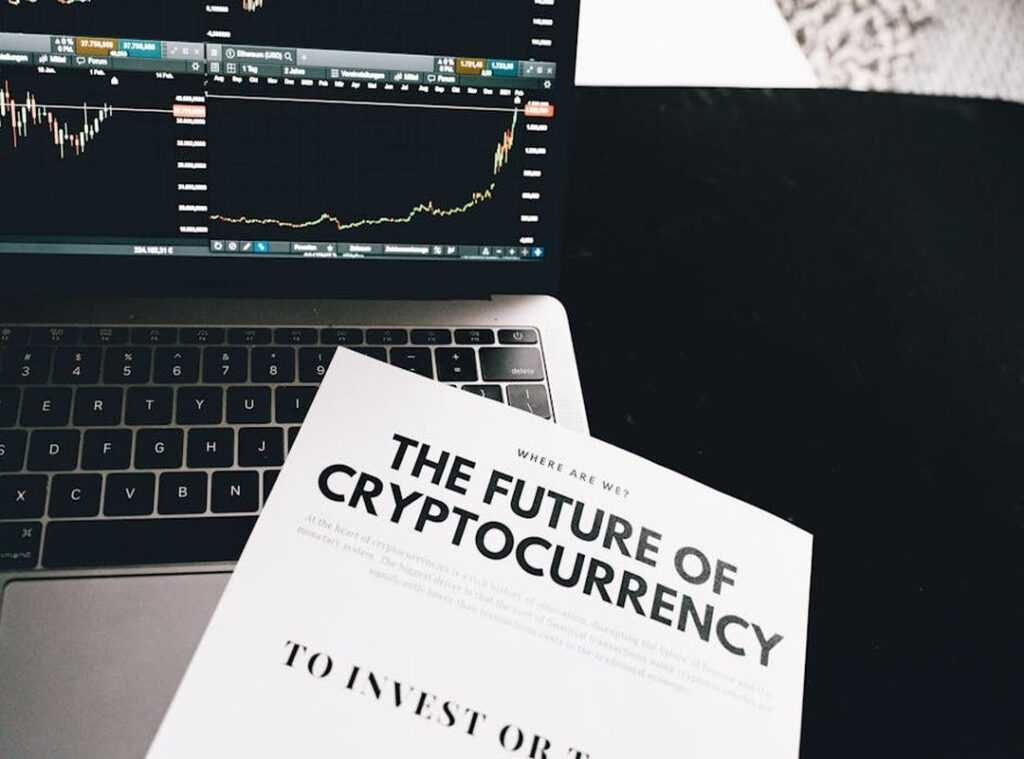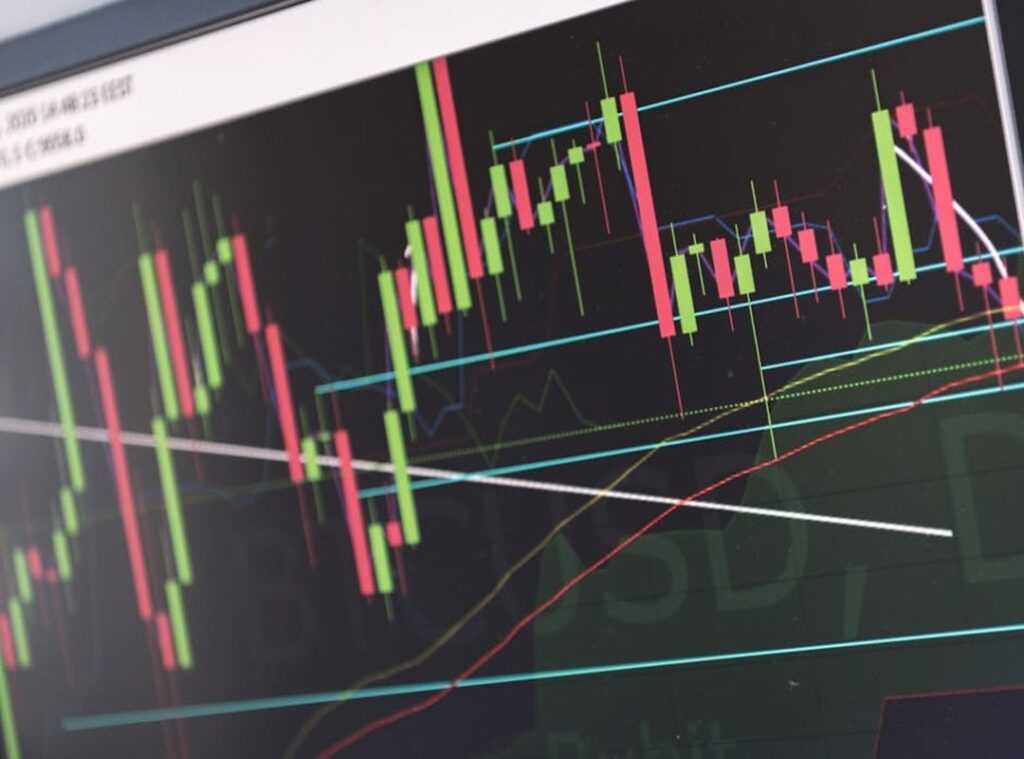
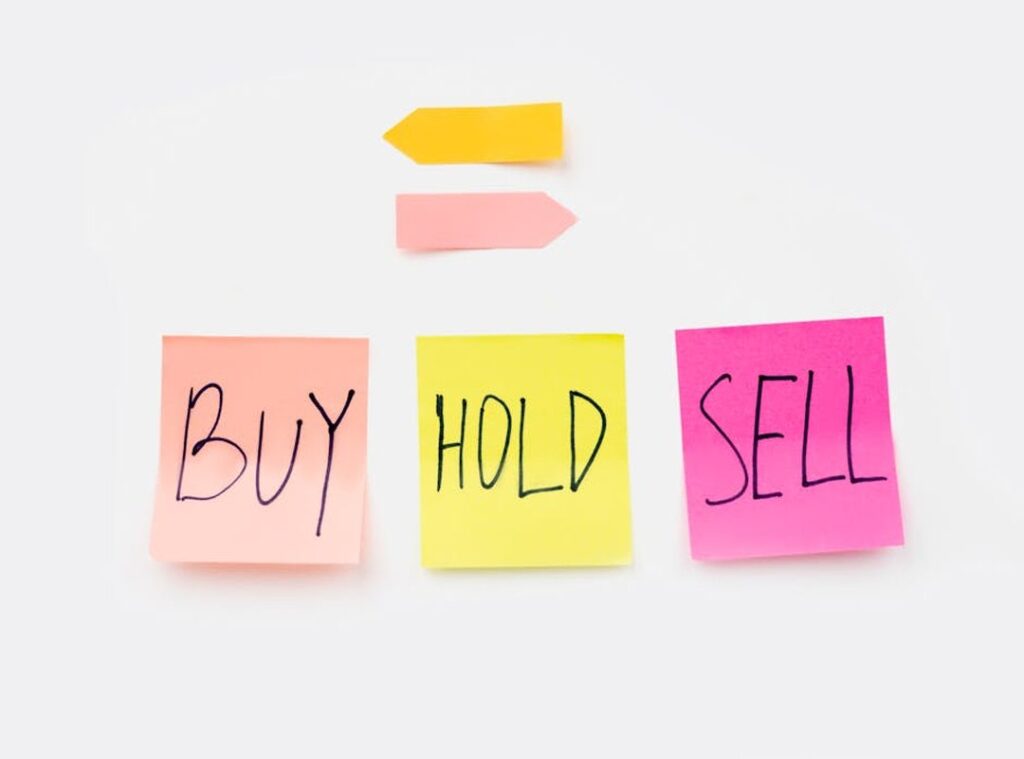
My stomach tightens every time I hear “inflation” on the news.
You too? Or is it “recession watch” that makes you check your bank app twice?
I’ve watched people panic-sell investments, skip retirement deposits, and stop budgeting altogether. All because of headlines, not their actual bank balance.
That’s not smart. It’s just noise.
I’ve helped real people through three major economic shifts. Not with theory. With what actually works in their checking account.
This isn’t about predicting the market. It’s about making decisions today that hold up no matter what the Fed does tomorrow.
You’ll get a clear path (not) more jargon. To build real financial resilience.
No fluff. No hype. Just Financial Advice Ontpeconomy that fits your life.
By the end, you’ll know exactly what to keep, what to adjust, and what to ignore.
And you’ll stop feeling like the economy is happening to you.
Your Wallet Doesn’t Lie: Economy Edition
I walked into the grocery store last week with $50. Same as I did in 2020. Same store.
Same cart. Different reality.
That $50 bought me three fewer avocados. Two less pounds of ground beef. One less loaf of sourdough.
Inflation isn’t some abstract chart on CNBC. It’s your cart shrinking while your receipt grows.
It eats your savings too. That $10,000 in your checking account? It’s worth less every day.
Not because you spent it. But because prices rose and your dollars didn’t keep up.
Interest rates went up. So did my mortgage payment. My cousin’s car loan.
Your credit card APR. Banks love this. You probably don’t.
But yes. Higher rates can lift savings account yields. Don’t get excited yet.
Most banks still pay pennies while charging double digits on debt. That gap isn’t accidental. It’s baked in.
Unemployment is low right now. That feels good (until) you realize layoffs are hitting tech, media, and finance hard anyway. Low unemployment doesn’t mean your job is safe.
It just means the economy’s breathing (not) necessarily yours.
You feel this stuff before you read about it. Your paycheck stretches thinner. Your side gig feels more necessary.
You pause before clicking “order.”
That’s why I track Ontpeconomy (not) for headlines, but for signals. Real ones. Not predictions.
Patterns.
Inflation is the quiet tax on holding cash.
And if you’re waiting for things to “go back to normal,” stop. They won’t.
Financial Advice Ontpeconomy isn’t about timing the market.
It’s about timing your decisions. Rent renewal, car purchase, even when to ask for a raise.
You don’t need a degree to see what’s happening. You just need to look at your bank app. Then look at your grocery receipt.
The 3 Pillars of an All-Weather Financial Plan
I built my first emergency fund after my laptop died mid-freelance gig. No warning. No backup.
Just a $1,200 bill and zero cash.
That’s when I learned: The Emergency Fund isn’t optional. It’s your airbag.
It’s 3. 6 months of important expenses only. Rent. Groceries.
Insurance. Not your Netflix subscription or that weekend trip you’ve been eyeing.
You keep it separate. In a high-yield savings account. Not in crypto.
I go into much more detail on this in Financial Tips.
Not in your checking. Not under your mattress (yes, someone tried that).
Does it feel boring? Good. Boring works.
Next (the) budget. I used to call mine “the guilt spreadsheet.” Then I switched to 50/30/20.
50% for needs. 30% for wants. 20% for saving or debt payoff.
It’s not about deprivation. It’s about knowing where your money goes before it vanishes.
I track every dollar for two weeks. Just two. You’ll spot at least one leak.
I guarantee it.
Debt? Let’s talk real talk.
Avalanche pays off high-interest debt first. Snowball clears small balances fast.
In today’s rate environment? Avalanche wins. Every time.
Credit card debt at 24% is eating your future. Paying $50 on a $200 balance while ignoring the $8,000 card? That’s math, not motivation.
I did the snowball early on. Felt great. Then got hit with a surprise medical bill and had to use the card again.
Lesson: Feel-good wins don’t always last.
Financial Advice Ontpeconomy means planning for what is, not what you hope will happen.
Your plan doesn’t need to be perfect. It just needs to exist. And breathe.
Start with one pillar. Not three. Not tomorrow.
Today.
Open a new savings tab right now. Name it “EMERGENCY” in all caps.
Then close this window. Go do it.
Your Money Doesn’t Wait for the Economy to Catch Up
I adjust my finances before things get loud. Not after the headlines scream.
Inflation isn’t theoretical. It’s your grocery bill, your gas tank, your streaming services slowly adding $2.50 a month.
Your Financial Playbook for High Inflation
Review every recurring subscription. Cancel two you haven’t used in 30 days. I did this last month.
Saved $47. That’s real money.
Call your internet provider. Say: “I’m shopping around. What’s your best rate for loyal customers?” They’ll often match or beat competitors.
(They want your money more than you think.)
Shift new savings into inflation-resistant options (like) I-bonds or high-yield accounts that actually move with rates. Don’t leave cash sitting in 0.01% accounts. That’s not saving.
That’s losing.
Your Financial Playbook for a Recession
Don’t panic-sell your investments. I watched people dump stocks in 2020. Then missed the entire rebound.
It hurts to watch, but selling locks in losses.
Build your emergency fund to at least six months of important expenses. Not wants. Rent, food, insulin, car insurance.
That buffer changes everything.
Update your resume now. Even if you love your job. Even if you’re not looking.
Because layoffs rarely send RSVPs.
Delay big purchases funded by debt. Like a new car or remodel (if) your job feels shaky. Cash is oxygen when the air gets thin.
You need practical, no-fluff guidance. That’s why I rely on Financial tips ontpeconomy when the numbers stop making sense.
Financial Advice Ontpeconomy isn’t about predicting crashes. It’s about acting while you still have room to breathe.
Cut the noise. Focus on what you control.
Start today. Not Monday. Not next month.
Today.
Scary Headlines Don’t Get to Pick Your Moves
I panic sometimes too. (It’s human. It’s also useless.)
Selling everything when the market drops? That’s emotional investing. You lock in losses.
You hand your future self a smaller pile.
Buying everything because everyone’s yelling “this time it’s different”? Same problem. Just upside down.
Pausing retirement contributions feels safe. It’s not. You miss compounding.
You skip dollar-cost averaging. Which is just buying steadily, no matter what the news says.
You don’t need perfect timing. You need consistency.
I stopped watching CNBC during earnings season. My portfolio grew faster.
What’s really scary? Waking up at 65 and realizing you waited for the “right time” that never came.
If you’re second-guessing every move, start with simple, grounded Financial Advice Ontpeconomy. Like the kind in Financial Guidance.
Stop Letting Headlines Decide Your Money
Economic news hits like a wave. You freeze. You scroll.
You feel stuck.
I’ve been there. It’s exhausting. And useless.
The fix isn’t guessing what’s next. It’s building something real under your feet.
That’s why I built Financial Advice Ontpeconomy around three things: cash you can touch, debt you control, and choices you own.
Not predictions. Not panic. Just structure.
So here’s your move. this week.
Set a timer for 15 minutes.
Write down one month of actual important expenses. Rent. Groceries.
Insurance. Nothing fancy. Just the truth.
That number is your emergency fund target. Start there.
No app needed. No subscription. Just pen, paper, and five minutes of honesty.
You’ll sleep better after that.
Because control isn’t theoretical. It’s arithmetic.
Do it now.
 Wealth & Investment Analyst
Lisa Timberlakeresty is the kind of writer who genuinely cannot publish something without checking it twice. Maybe three times. They came to core finance strategies through years of hands-on work rather than theory, which means the things they writes about — Core Finance Strategies, Expert Breakdowns, High-Yield Wealth Models, among other areas — are things they has actually tested, questioned, and revised opinions on more than once.
That shows in the work. Lisa's pieces tend to go a level deeper than most. Not in a way that becomes unreadable, but in a way that makes you realize you'd been missing something important. They has a habit of finding the detail that everybody else glosses over and making it the center of the story — which sounds simple, but takes a rare combination of curiosity and patience to pull off consistently. The writing never feels rushed. It feels like someone who sat with the subject long enough to actually understand it.
Outside of specific topics, what Lisa cares about most is whether the reader walks away with something useful. Not impressed. Not entertained. Useful. That's a harder bar to clear than it sounds, and they clears it more often than not — which is why readers tend to remember Lisa's articles long after they've forgotten the headline.
Wealth & Investment Analyst
Lisa Timberlakeresty is the kind of writer who genuinely cannot publish something without checking it twice. Maybe three times. They came to core finance strategies through years of hands-on work rather than theory, which means the things they writes about — Core Finance Strategies, Expert Breakdowns, High-Yield Wealth Models, among other areas — are things they has actually tested, questioned, and revised opinions on more than once.
That shows in the work. Lisa's pieces tend to go a level deeper than most. Not in a way that becomes unreadable, but in a way that makes you realize you'd been missing something important. They has a habit of finding the detail that everybody else glosses over and making it the center of the story — which sounds simple, but takes a rare combination of curiosity and patience to pull off consistently. The writing never feels rushed. It feels like someone who sat with the subject long enough to actually understand it.
Outside of specific topics, what Lisa cares about most is whether the reader walks away with something useful. Not impressed. Not entertained. Useful. That's a harder bar to clear than it sounds, and they clears it more often than not — which is why readers tend to remember Lisa's articles long after they've forgotten the headline.