

Markets are moving faster than ever, and investors who fail to adapt risk falling behind. If you’re searching for clarity on where momentum is building, how core financial strategies are evolving, and what high-yield opportunities actually make sense in today’s climate, this article is built for you. We break down complex trends into practical insights—covering smart budgeting frameworks, portfolio positioning, and the global market impact on investments that could shape your next financial move.
Many investors struggle to separate real opportunity from short-term noise. That’s why this analysis focuses on data-backed market signals, time-tested wealth models, and disciplined allocation strategies designed to perform across cycles. Our insights are grounded in ongoing market research, financial modeling, and careful evaluation of macroeconomic indicators.
By the end, you’ll have a clearer view of current momentum shifts, risk-adjusted opportunities, and actionable steps to strengthen and future-proof your investment portfolio.
Your Financial Compass in a Borderless Economy
Markets no longer move in isolation; a factory slowdown in Taiwan or a tariff shift in Brussels can ripple into your retirement account. Understanding global market impact on investments is no longer optional—it’s survival.
Admittedly, some argue long-term investors should ignore headlines. They’re partly right. Knee-jerk reactions hurt returns. However, dismissing macro shifts entirely is like sailing without checking the weather.
Looking ahead, I speculate supply chain regionalization and AI-driven productivity could redefine sector winners. Consequently, diversify across geographies, stress-test assets, and rebalance. Think of it as playing chess, not checkers—with your wealth.
Decoding Global Market Momentum: How International Events Drive Local Prices
Defining Market Momentum
Market momentum refers to the strength and direction of a price trend driven by widespread investor behavior. Think of it as a financial current: when capital flows strongly into one region or sector—say, a tech boom in Asia or an energy crunch in Europe—it doesn’t stay contained. These large-scale shifts create ripple effects that shape the global market impact on investments, influencing prices far beyond their origin.
Cause and Effect in Action
Consider the 2020–2022 semiconductor shortage. Chip factories in Asia slowed production, limiting supply worldwide. U.S. auto manufacturers couldn’t finish vehicles without chips, revenue projections dropped, and stock prices followed. Meanwhile, chipmakers saw surging demand and rising valuations (a classic supply-and-demand squeeze, straight out of Econ 101).
Key Indicators to Watch
- Baltic Dry Index (BDI): Measures shipping costs; rising rates suggest stronger global trade.
- VIX: Often called the “fear index,” it tracks expected market volatility.
- Foreign exchange rates: Currency strength signals capital flows between economies.
Strategy Point
Instead of reacting after headlines break, watch momentum indicators early. If shipping rates and currencies shift together, sector rotation may be forming—are you positioned before the crowd notices?
Core Strategies for a Globally Diversified Portfolio
Beyond Domestic Stocks
Many investors load up on familiar local companies. It feels safer (you recognize the brands, after all). But this comfort can hide risk. When your portfolio is concentrated in one country, your returns depend heavily on that single economy’s political stability, currency strength, and growth rate.
International diversification simply means spreading investments across multiple countries to reduce that concentration risk. If one region slows, another may expand. This balance helps smooth volatility and improves resilience over time.
Asset Allocation Models for Global Investing
To make this practical, here are two clear frameworks:
- The Core-Satellite Model: Your core consists of broad domestic index funds designed for stability. Around it, you add satellites—targeted international ETFs or individual foreign stocks—to capture growth in specific regions or sectors.
- The Regional Allocation Model: Divide capital among major economic zones: North America, Europe, Asia-Pacific, and Emerging Markets. Adjust weightings based on growth forecasts, demographics, and trade trends. This method reflects the global market impact on investments more directly.
Both models aim to balance growth and protection, just through different structures.
Practical Steps
Access is easier than it sounds. ADRs (American Depositary Receipts) let you buy foreign companies on U.S. exchanges. International mutual funds and ETFs provide instant geographic diversification with a single purchase.
Avoiding Common Pitfalls
Watch for home country bias—the tendency to overinvest domestically. While it feels logical, it can limit long-term growth and increase exposure to localized downturns. Broader exposure often means broader opportunity.
High-Yield Wealth Models in an International Context
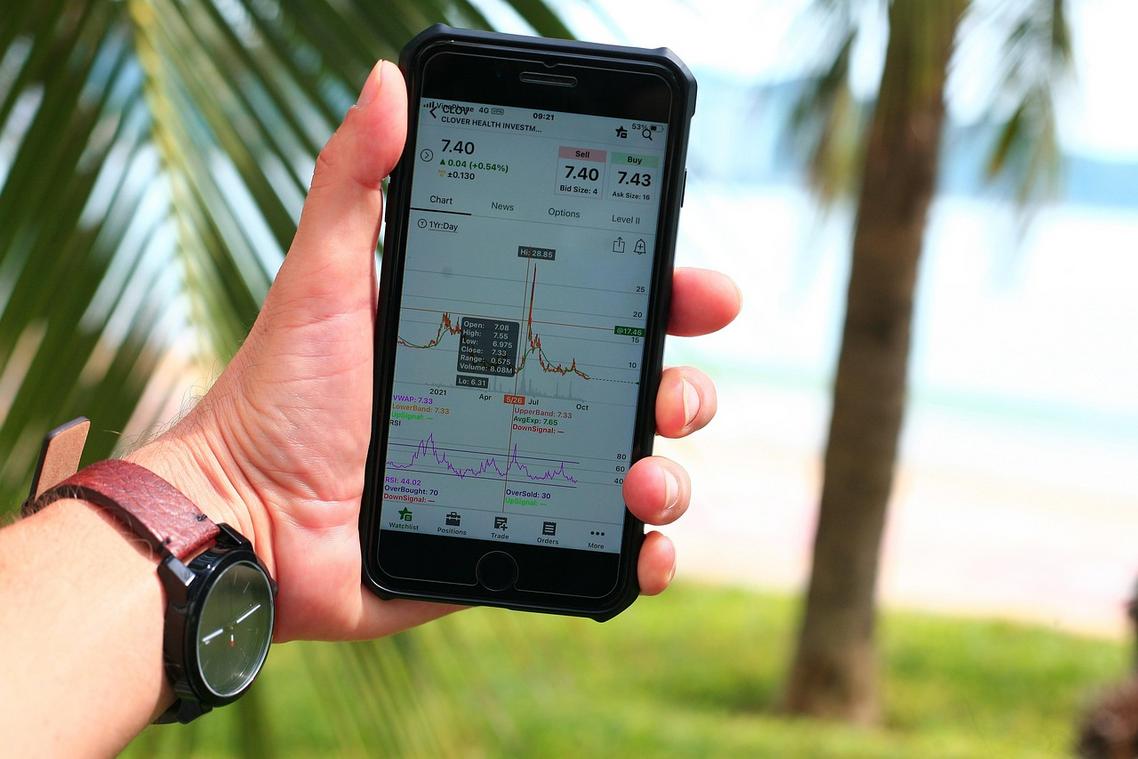
I still remember the first time I bought a foreign dividend stock. The yield was nearly double what I was earning at home (which felt like discovering a secret menu at your favorite restaurant). That experience pushed me to look beyond domestic markets.
Searching for Yield Abroad
International markets often offer higher dividend yields—the annual cash payment a company returns to shareholders as a percentage of its stock price—or elevated bond interest rates due to faster growth or higher perceived risk. In regions where capital is scarcer, companies and governments may pay more to attract investors. The global market impact on investments means capital constantly flows to wherever returns look most compelling.
Spotlight on International Dividend Stocks
Look for foreign blue-chip companies—large, established firms with durable earnings. Check dividend history, payout ratios (the share of profits paid as dividends), and currency stability. Pro tip: Favor companies that maintained payouts during past downturns.
Exploring Emerging Market Bonds
Emerging market bonds can deliver attractive yields, but the risk/reward profile is sharper. Political instability, inflation swings, or credit downgrades can affect returns.
Risk Management is Key
Currency risk—when exchange rate shifts reduce returns—can erode gains quickly. That’s why learning how to diversify your investment portfolio the smart way is essential before chasing overseas yield.
Smart Budgeting and Financial Planning with Currency Fluctuations in Mind
First, understand the basics. A strong dollar (when the U.S. dollar buys more foreign currency) makes imported goods and overseas travel cheaper. A weak dollar does the opposite, raising prices on everything from European vacations to electronics assembled abroad. It can also boost returns on foreign investments when converted back to dollars.
So what should you do? If you travel often or buy global brands, build a small “currency buffer” into your monthly budget—about 5–10% extra for exchange-rate swings. This cushions surprises when rates shift unexpectedly.
For investors, consider currency-hedged ETFs. These funds aim to offset exchange-rate movements, helping you focus on company performance rather than forex noise. If stability matters, they’re worth a look.
That said, keep perspective. Over decades, many short-term swings even out despite the global market impact on investments. Still, before major purchases or reallocations, review currency trends carefully (a quick check today can save regret tomorrow).
Building a Resilient Financial Future in a Connected World
Global markets no longer move in isolation; a policy shift in Tokyo or a rate cut in Frankfurt can ripple into your retirement account. In other words, global market impact on investments is real—and it’s accelerating.
Admittedly, some investors argue that sticking close to home feels safer (familiar brands, familiar rules). However, that comfort can create home country bias—overloading your portfolio with domestic assets.
Looking ahead, it’s reasonable to speculate that:
- Cross-border ETFs will dominate long-term portfolios
- Currency swings will create both risk and opportunity
- Emerging markets may outpace developed ones during recovery cycles
So start small. Review allocations, add one international ETF, and build resilience step by step.
Turn Insight Into Intelligent Action
You came here to better understand how market momentum, core finance strategies, and high-yield wealth models work together in today’s fast-moving environment. Now you have a clearer view of how smart budgeting tools, disciplined portfolio structuring, and awareness of the global market impact on investments shape long-term financial success.
The real challenge isn’t access to information—it’s knowing how to use it before opportunities pass you by. Markets shift. Yields fluctuate. Momentum fades. Without a structured strategy, it’s easy to fall behind or miss high-potential moves.
That’s why your next step matters. Apply what you’ve learned. Review your portfolio allocation. Stress-test your strategy against changing market conditions. Use proven financial frameworks to protect downside risk while positioning for upside growth.
If you’re serious about building wealth with clarity and confidence, start implementing smarter portfolio insights and disciplined budgeting strategies today. Don’t let uncertainty dictate your returns—take control now and turn informed strategy into measurable results.
 Senior Finance Strategist
Virginia Zajicekidster is the kind of writer who genuinely cannot publish something without checking it twice. Maybe three times. They came to core finance strategies through years of hands-on work rather than theory, which means the things they writes about — Core Finance Strategies, Expert Breakdowns, High-Yield Wealth Models, among other areas — are things they has actually tested, questioned, and revised opinions on more than once.
That shows in the work. Virginia's pieces tend to go a level deeper than most. Not in a way that becomes unreadable, but in a way that makes you realize you'd been missing something important. They has a habit of finding the detail that everybody else glosses over and making it the center of the story — which sounds simple, but takes a rare combination of curiosity and patience to pull off consistently. The writing never feels rushed. It feels like someone who sat with the subject long enough to actually understand it.
Outside of specific topics, what Virginia cares about most is whether the reader walks away with something useful. Not impressed. Not entertained. Useful. That's a harder bar to clear than it sounds, and they clears it more often than not — which is why readers tend to remember Virginia's articles long after they've forgotten the headline.
Senior Finance Strategist
Virginia Zajicekidster is the kind of writer who genuinely cannot publish something without checking it twice. Maybe three times. They came to core finance strategies through years of hands-on work rather than theory, which means the things they writes about — Core Finance Strategies, Expert Breakdowns, High-Yield Wealth Models, among other areas — are things they has actually tested, questioned, and revised opinions on more than once.
That shows in the work. Virginia's pieces tend to go a level deeper than most. Not in a way that becomes unreadable, but in a way that makes you realize you'd been missing something important. They has a habit of finding the detail that everybody else glosses over and making it the center of the story — which sounds simple, but takes a rare combination of curiosity and patience to pull off consistently. The writing never feels rushed. It feels like someone who sat with the subject long enough to actually understand it.
Outside of specific topics, what Virginia cares about most is whether the reader walks away with something useful. Not impressed. Not entertained. Useful. That's a harder bar to clear than it sounds, and they clears it more often than not — which is why readers tend to remember Virginia's articles long after they've forgotten the headline.