Feeling overwhelmed by global markets these days? You’re not alone. With the world spinning faster and faster, making sense of the chaos can feel like a full-time job. a specialist like me comes in.
As an economic cycles expert, I cut through the noise to make investment decisions clearer.
Think of it this way: I see patterns where others see random events. My job is to decode these patterns and help you understand how shifts in market momentum affect your wallet. It’s not just about numbers.
It’s about understanding the story behind the numbers. Finance strategies aren’t just strategies. They’re blueprints for your financial future.
Why should you trust me? I’ve spent years studying market trends, and I’m passionate about simplifying them for you. I don’t just follow trends.
I analyze them, poke and prod at them, until they make sense. I consult with leading economists and use their takeaways to give you the best advice possible.
In this article, I’ll break it all down. From the complexities of economic trends to actionable takeaways, you’ll get the clarity you crave. By the end, you’ll understand the market’s rhythm but also have the tools to act on it.
Ready to dive in? Let’s get started.
The Economic Trends Specialist: What They Really Do
What does an economic trends specialist even do? Good question. These folks are the ones who look at the big picture of the economy.
They connect dots in ways most people wouldn’t even think about. How? By analyzing data, following market trends, and predicting future economic cycles.
Ever wonder how experts know when to buy or sell? It’s these specialists who spot changes before they hit the news.
They don’t just look at numbers. It’s about understanding the underlying forces. Whether it’s a shift in consumer behavior or a geopolitical event, they read between the lines.
And you bet they’re always one step ahead. If you’re curious about how cryptocurrency fits into all this chaos, you might want to learn more.
Staying ahead of economic shifts is key. Decisions made without this foresight can lead to regrets. I mean, do you really want to invest blindly?
An economic cycles expert helps businesses and investors make informed decisions. They make sure that when the market zigs, you zag. Trust me, no one wants to be caught off guard when the next recession hits.
Pro tip: keep an eye on these specialists. They’re the unsung heroes of smart investing.
Mastering Economic Trends: Skills and Tools You Need
When you’re diving into economic trends, you need to wear a bunch of hats. As an economic cycles expert, analytical thinking is your best friend. You can’t just look at numbers; you’ve got to interpret data like a detective.
What’s really going on here? That’s what you need to ask.
If you’re not comfortable swimming in a sea of financial jargon, you might drown when the tides change.
Then there’s financial acumen. It’s not just about crunching numbers. It’s about understanding them in a way that tells a story.
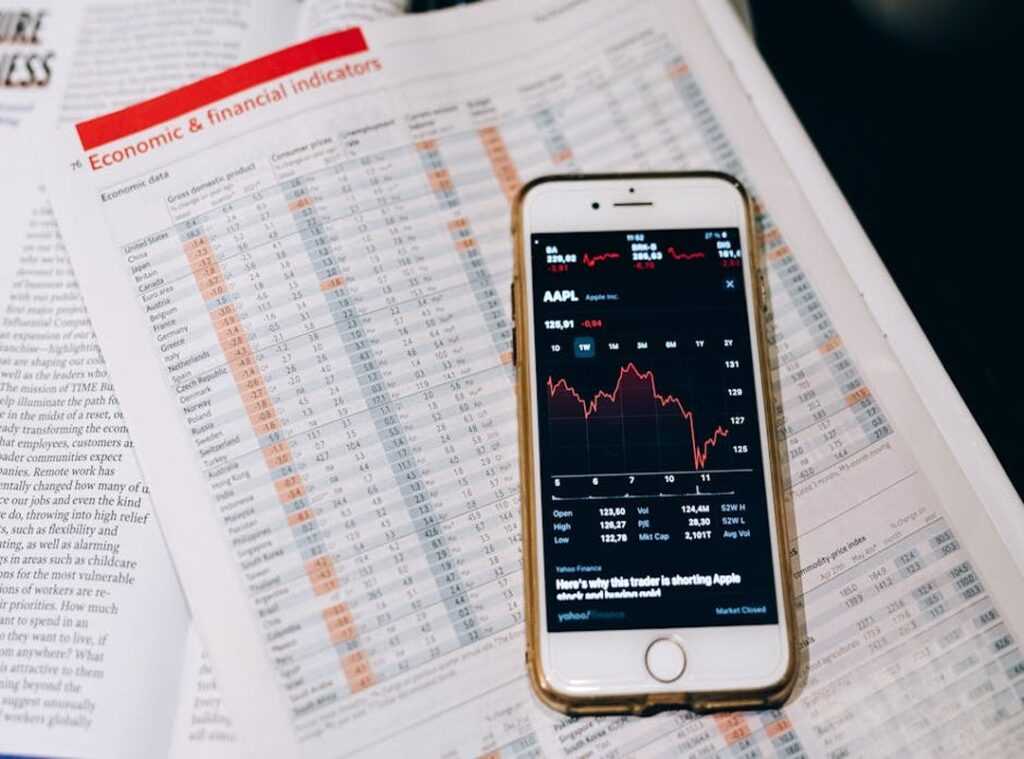
Now, let’s talk tools. Economic indicators are like your compass. They point you to where the economy’s headed.
Trend analysis software is another biggie. Imagine trying to map out the future without a crystal ball. These tools help you see patterns that aren’t obvious at first glance.
But what does this look like in real life? Say you’re analyzing a potential recession. You’ll probably use data from this resource.
It breaks down how recessions form. Knowing where we are in the business cycle can guide investment decisions or even policy-making.
Pro tip: Don’t just focus on the tools. Keep up with economic news. It’s like having your ear to the ground.
You’ll catch whispers of change before they become loud roars. Trust me, being proactive beats playing catch-up any day.
Market Momentum: The Pulse of Economic Trends
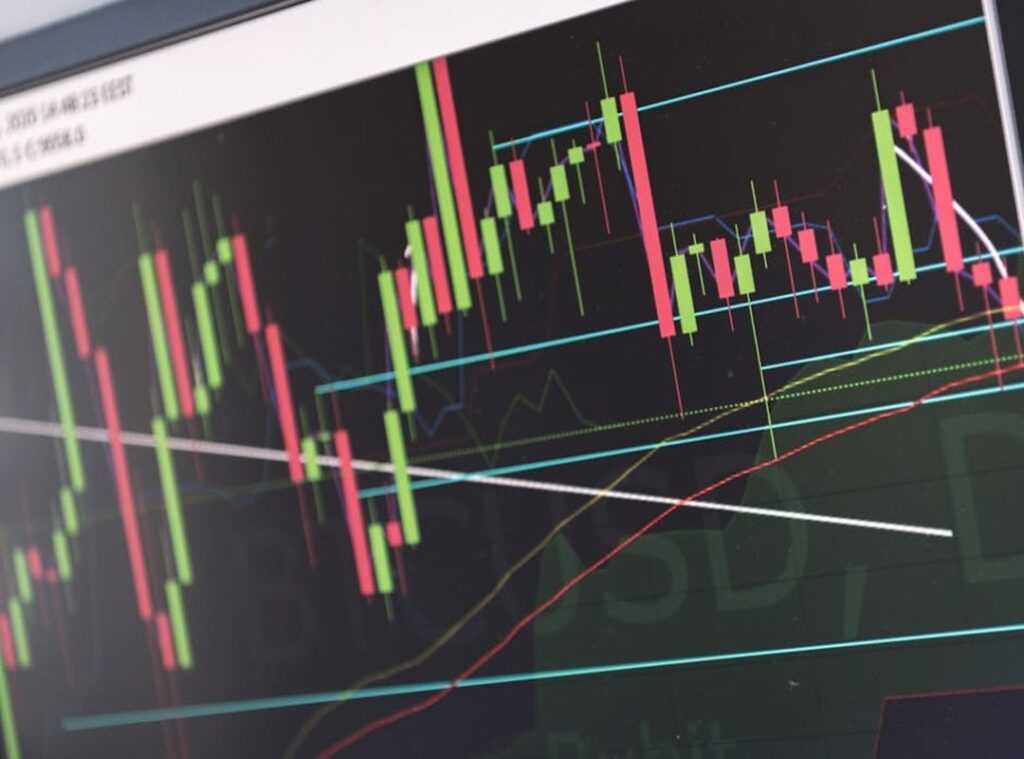
Market momentum is a bit like that buzz you feel when a new song drops. It’s the energy in the market that tells us which way the wind is blowing. We’re talking about the velocity of price changes here.
Why does it matter? Because if you’re an economic cycles expert, this is your bread and butter. You use it to predict future economic conditions.
Here’s the deal: specialists look at market momentum to see where economies are headed. Are we climbing? Crashing?
If the market’s moving like a roller coaster, it’s a sign of volatility. And hey, if you’re into stock market volatility expert advice, you’re gonna want to keep your finger on this particular pulse. It’s like a crystal ball for the financial world.
Now, let’s talk impact. When momentum shifts, it’s not just numbers on a screen. It affects investment portfolios directly.
Imagine your wealth plan is a ship. Market momentum is the tide. It can lift you higher or leave you stranded.
So, what’s the smart move? Keep a close eye on these shifts. Adjust your sails accordingly.
Pro tip: be proactive. Don’t wait for the storm. Position your investments to ride the waves.
In all honesty, ignoring market momentum is like ignoring a fire alarm. You just don’t do it. It’s the kind of thing that separates the savvy investors from the rest.
After all, who wouldn’t want to stay ahead in the financial game?
Finance Strategies: Navigating Economic Waves
Navigating economic trends can feel like surfing unpredictable waves. It takes skill, timing, and a solid plan. As an economic cycles expert, I can tell you that core financial strategies are more than just buzzwords.

They’re your lifeline in turbulent waters. Risk management is key. You can’t avoid risk entirely (unless you bury your money in the backyard), but you can manage it by diversifying your portfolio.
Diversification isn’t just about spreading your investments around like butter on toast. It’s about understanding how different assets react to economic changes. Stocks, bonds, real estate (they) all dance to different tunes when the economy shifts.
High-yield wealth models play a key role here. They aren’t just about chasing returns. They’re about balancing risk and reward in a way that aligns with your financial goals.
Ever heard of a barbell plan? It’s one of those high-yield models that smart investors use to hedge their bets. You put a chunk in low-risk investments and another in high-risk, high-reward opportunities.
It’s like having your cake and eating it too (almost). Looking ahead, I see more integration of technology in investment strategies. AI and data analytics are set to redefine how we understand market momentum.
Are you ready for the future?
Becoming an Economic Cycles Expert: Your Game Plan
So you want to be an economic cycles expert? Well, let’s cut to the chase. First, get your education right.
Degrees in economics or finance are a solid start. But that’s not enough. Certifications like CFA or CMT can boost your profile.
Experience is gold. Internships or entry-level jobs in finance firms are key. They teach you the ropes and connect you with the right people.
Networking isn’t just a buzzword here. It’s key. You never know when a casual chat can lead to an opportunity.
But here’s the kicker: stay updated. The market doesn’t sleep, and neither should your learning. Subscribe to financial news, follow economic forums, and join professional groups.
Pro tip: Continuous learning isn’t just a phrase. It’s important. (And frankly, it keeps life interesting.) Economic trends shift rapidly. Stay sharp, and you’ll be ahead of the game.
Mastering Economic Trends for Better Financial Decisions
Understanding economic trends isn’t just important (it’s) important. The complexity of these trends can be daunting, but as a budding economic cycles expert, it’s key to dive in headfirst. We’ve explored key skills and strategies to help you get through this detailed field.
You’ve got the tools. Now, use them.
Economic takeaways aren’t just numbers. They’re your secret weapon against uncertainty. Are you tired of feeling lost in financial chaos?
You shouldn’t be. Armed with the right knowledge, you can transform your decision-making process from guesswork into strategic planning. Imagine the confidence of making informed choices that bolster your financial future.
Why leave your financial fate to chance? Applying these strategies can shift you from being reactive to proactive. It’s about time you took control.
Realizing market momentum and understanding core finance strategies can lift your investment game. You’ve learned about high-yield wealth models, so what’s stopping you?
Don’t just sit on this knowledge. Apply it. Start making decisions with insight and foresight.
Want to see real change? Visit ocvibum.com for more in-depth content that can raise your financial strategies. Don’t wait.
Dive deeper, and become the expert you aim to be. Your financial future depends on it.
 Wealth & Investment Analyst
Lisa Timberlakeresty is the kind of writer who genuinely cannot publish something without checking it twice. Maybe three times. They came to core finance strategies through years of hands-on work rather than theory, which means the things they writes about — Core Finance Strategies, Expert Breakdowns, High-Yield Wealth Models, among other areas — are things they has actually tested, questioned, and revised opinions on more than once.
That shows in the work. Lisa's pieces tend to go a level deeper than most. Not in a way that becomes unreadable, but in a way that makes you realize you'd been missing something important. They has a habit of finding the detail that everybody else glosses over and making it the center of the story — which sounds simple, but takes a rare combination of curiosity and patience to pull off consistently. The writing never feels rushed. It feels like someone who sat with the subject long enough to actually understand it.
Outside of specific topics, what Lisa cares about most is whether the reader walks away with something useful. Not impressed. Not entertained. Useful. That's a harder bar to clear than it sounds, and they clears it more often than not — which is why readers tend to remember Lisa's articles long after they've forgotten the headline.
Wealth & Investment Analyst
Lisa Timberlakeresty is the kind of writer who genuinely cannot publish something without checking it twice. Maybe three times. They came to core finance strategies through years of hands-on work rather than theory, which means the things they writes about — Core Finance Strategies, Expert Breakdowns, High-Yield Wealth Models, among other areas — are things they has actually tested, questioned, and revised opinions on more than once.
That shows in the work. Lisa's pieces tend to go a level deeper than most. Not in a way that becomes unreadable, but in a way that makes you realize you'd been missing something important. They has a habit of finding the detail that everybody else glosses over and making it the center of the story — which sounds simple, but takes a rare combination of curiosity and patience to pull off consistently. The writing never feels rushed. It feels like someone who sat with the subject long enough to actually understand it.
Outside of specific topics, what Lisa cares about most is whether the reader walks away with something useful. Not impressed. Not entertained. Useful. That's a harder bar to clear than it sounds, and they clears it more often than not — which is why readers tend to remember Lisa's articles long after they've forgotten the headline.