
Building real wealth isn’t about chasing every hot trend—it’s about understanding market momentum, applying core finance strategies, and using disciplined systems that compound over time. If you’re here, you’re likely looking for practical, actionable insights that help you grow your money, protect your downside, and make smarter portfolio decisions in today’s shifting economic climate.
This article breaks down what’s actually working right now: how to read momentum without getting caught in hype cycles, how to structure high-yield wealth models responsibly, and how smart budgeting tools support long-term investing success. We’ll also cover the foundation too many investors overlook—emergency fund planning—and why it’s the stabilizer that makes every other strategy sustainable.
Our insights are grounded in deep market analysis, proven financial frameworks, and continuous tracking of investment performance data. The goal is simple: give you clear, strategic guidance you can apply immediately to strengthen your financial position and build a more resilient portfolio.
How to Build Your Financial Shock Absorber
To determine how much you should set aside in your emergency fund, it’s essential to consider your unique financial situation and lifestyle—insights that can be further explored in our article on Ontpinvest.
A blown transmission or surprise ER visit can cost thousands overnight. Without a buffer, you swipe a credit card and watch 20%+ APR compound (yes, it’s brutal).
Here’s the fix: a structured cash reserve built through emergency fund planning.
Start with:
- A target of three to six months of essential expenses
- A high-yield savings account earning competitive APY (FDIC-insured up to $250,000)
- Automated weekly transfers to remove willpower from the equation
These features matter because liquidity, protection, and consistency turn chaos into control. Build it, and crises become inconveniences—not disasters.
What Truly Counts as a Financial Emergency?
A true financial emergency is unexpected, necessary, and urgent. Think job loss, emergency medical care, or a broken transmission you need to get to work. A “fake” emergency? Flash-sale gadgets, last-minute vacations, or upgrading your phone because it’s “basically ancient” (even though it works fine).
Use this simple 3-point test before touching your savings:
- Is it unexpected? You couldn’t reasonably plan for it.
- Is it necessary for health, safety, or income? It protects your well-being or ability to earn.
- Is it urgent? It can’t wait without serious consequences.
If the answer isn’t yes to all three, pause.
For example, a leaking roof threatening structural damage passes. Discount concert tickets don’t.
This distinction is the backbone of emergency fund planning. When you protect your fund from impulse spending, you prevent a minor setback from snowballing into debt, fees, or worse.
Pro tip: Keep your emergency savings in a separate account to reduce temptation and create a psychological barrier before withdrawals.
Your First Line of Defense: The Emergency Fund
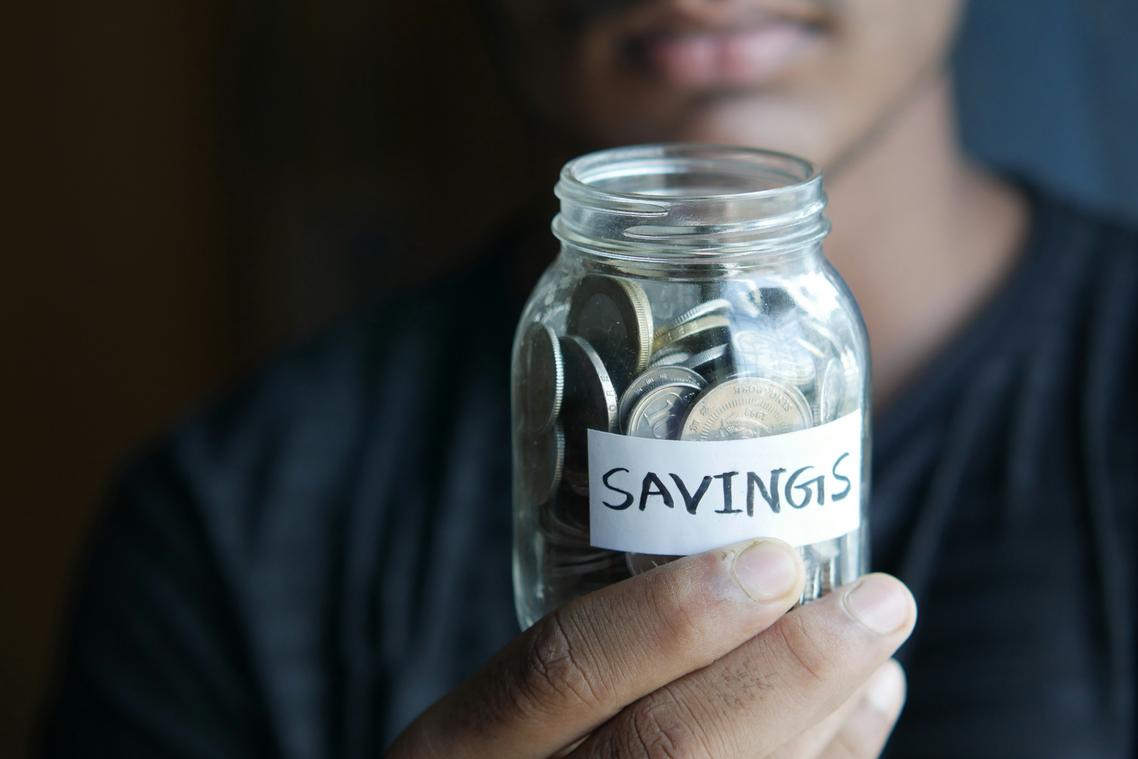
An emergency fund is exactly what it sounds like: money set aside for life’s “uh‑oh” moments (car repairs, medical bills, sudden job loss). Think of it as your financial shock absorber. Without it, even a small bump can throw you off course.
The Golden Rule
The standard advice is to save 3 to 6 months of essential living expenses. That means the bare minimum you need to function each month—not your ideal lifestyle, just survival mode.
Defining “Essential Expenses”
Here’s what counts:
- Housing (rent or mortgage)
- Utilities (electric, water, internet)
- Groceries
- Transportation (gas, transit, car payment)
- Insurance premiums
- Minimum debt payments
Here’s what doesn’t:
- Streaming subscriptions
- Dining out
- Entertainment
- Shopping
If you lost your income tomorrow, essentials are what keep the lights on (literally).
Where to Keep Your Fund
This money must be liquid (easy to access) and safe (protected from loss). A High‑Yield Savings Account (HYSA) is ideal because it earns interest while remaining stable. The stock market is not appropriate here. Markets fluctuate, and your emergency fund planning should never depend on whether stocks are up or down (this is not the time to “buy the dip”).
Actionable Steps to Start Today
Step 1: Calculate one month of essential expenses using a worksheet or budgeting app.
Step 2: Multiply that number by three. That’s your first clear target.
Step 3: Automate weekly or bi‑weekly transfers to your HYSA—even $25 at a time builds momentum.
Small, consistent moves create real security.
Beyond Savings: Layering Your Financial Safety Net
Building a safety net isn’t just about stockpiling cash. It’s about layering protection so one surprise doesn’t unravel everything.
Strategy 1: Sinking Funds for Predictable Surprises
A sinking fund is money you set aside monthly for expenses you know are coming—just not this month. Think annual insurance premiums, property taxes, holiday travel, or replacing tires.
Here’s how to set one up:
- List non-monthly expenses.
- Divide each total by 12.
- Transfer that amount into a separate savings bucket monthly.
For example, a $1,200 annual car insurance bill becomes $100 per month. When the bill arrives, you pay it calmly (no dramatic bank-app checking required).
Some argue this is overkill and that a single emergency fund should cover everything. But predictable costs aren’t emergencies—they’re planning failures. Sinking funds protect your core savings and make emergency fund planning far more effective.
Strategy 2: The Role of Insurance
Insurance transfers catastrophic risk to a third party. Health, disability, home, and auto coverage prevent a single accident from wiping out years of savings. According to the Federal Reserve, medical bills remain a leading cause of financial hardship in the U.S. (Federal Reserve, 2023).
Pro tip: Review deductibles annually to balance premium costs and out-of-pocket risk.
Strategy 3: Credit as a Final Backstop
A low-interest credit card or line of credit is your last layer. Only use it after savings are exhausted—and with a repayment plan.
Example: If you charge $2,000 for an urgent repair, pause extra spending and redirect cash flow to clear it within 60–90 days.
Used wisely, credit buys time. Used casually, it compounds stress.
For more structured systems, explore cash flow management tips for sustainable growth to strengthen every layer.
The Preparedness Mindset: How to Stay Ready for Anything
Let’s be honest—most of us only look at our finances when something breaks. The car. The AC. Our patience. That’s why a Quarterly Check-In matters. Every three months—or after a raise, new job, or change in family size—review your emergency fund balance and recalculate monthly expenses. Costs creep up quietly, and ignoring them is how “I’m fine” turns into “How did this happen?”
Then there’s the hard part: the Refill and Rebuild Rule. Once you use your emergency fund, replenishing it becomes your top priority. Yes, even before investing. It’s frustrating to pause other goals, but financial stability isn’t built on vibes (sadly).
Meanwhile, budget for minor shocks. Add a small “Miscellaneous” or “Oops” category to absorb surprise expenses without touching your core savings.
Emergency fund planning isn’t glamorous. However, it’s the difference between controlled setbacks and full-blown financial chaos.
Financial shocks are guaranteed; the panic and debt spiral don’t have to be. I learned that the hard way after draining savings on a car repair and stacking credit cards, telling myself I’d “figure it out.” I didn’t. INTEREST COMPOUNDS FAST. What changed?
• A dedicated emergency fund for true surprises
• Sinking funds for predictable costs
• Proper insurance to cap catastrophic risk
This layered model works because it replaces reaction with readiness. Call it emergency fund planning done right. Take five minutes today: total three months of expenses and open a high-yield savings account. Start small, start now.
Take Control of Your Financial Momentum Today
You set out to strengthen your financial strategy and build a more resilient wealth plan—and now you have the framework to do exactly that. From understanding market momentum to applying smarter budgeting systems and optimizing portfolio allocation, you’re better equipped to make informed, confident decisions.
But knowledge alone won’t protect you from financial stress. The real pain point isn’t lack of information—it’s uncertainty. Unexpected expenses, volatile markets, and inconsistent cash flow can quickly undo progress without a solid foundation. That’s why emergency fund planning isn’t optional—it’s the anchor that keeps every other strategy stable.
Now it’s time to act. Start by reviewing your current cash reserves, tightening your budgeting system, and aligning your portfolio with clear wealth-building goals. Put structure behind your strategy.
If you’re ready to eliminate uncertainty, strengthen your financial base, and build a high-yield wealth model that works in any market, take the next step now. Apply these strategies immediately and commit to disciplined execution—because financial confidence comes from action, not intention.