
You’re tired of feeling like personal finance is a secret language only accountants understand.
I’ve been there. Staring at spreadsheets. Clicking through budget apps.
Wondering why nothing sticks.
It’s not your fault. Most advice is either too vague or too complicated.
Or worse. It’s built on hype, not reality.
This isn’t about chasing trends or copying someone’s viral money hack.
This is about Financial Guidance Ontpeconomy (grounded) in principles that have worked for decades, not just the last six months.
I’ve tested every step with real people. Not theory. Not simulations.
Just regular folks who wanted control over their money. And got it.
By the end of this, you’ll have a clear, step-by-step plan.
No jargon. No fluff. Just what works.
And yes. You can build a solid financial foundation without a degree.
Your Money’s GPS: Start Here
I used to think budgeting meant saying no to everything.
Turns out it’s the opposite.
A budget is just a cash flow plan. Nothing more. Nothing less.
It’s how you map where money comes from and where it goes (before) it vanishes.
You don’t need fancy software. You don’t need a finance degree. You need one month of honest tracking.
That’s it.
Step one: Track every dollar. Coffee, gas, that random $12.99 app subscription you forgot about. Write it down.
Yes, even the Venmo to your sister for last week’s pizza.
Step two: Sort those dollars into three piles (needs,) wants, and savings. Not “should save.” Savings. As in, money you move before you spend anything else.
Step three: Look at the numbers. Ask yourself: Does this reflect what I actually care about? Because if 70% of your take-home goes to wants and zero goes to savings.
That’s data. Not failure.
Your finances are not abstract. They’re You, Inc.
And no business survives without knowing its income and expenses. (Ask Enron.
Or Blockbuster.)
I’ve seen people double their savings in 90 days (just) by doing this once. No magic. No apps.
Just awareness.
Use a free spreadsheet. Try a simple app like Mint or Monarch. Doesn’t matter.
What matters is showing up for thirty days.
This is the single most important thing you’ll ever do for your financial future. More than stocks. More than side hustles.
More than credit scores.
The Ontpeconomy page breaks down how cash flow awareness reshapes real-world decisions. Not theory. Not hype.
Financial Guidance Ontpeconomy only works when you know your numbers first.
Everything else is noise.
Start today. Not Monday. Not after payday.
Today.
Track one transaction. Then another. Then ten.
Your Emergency Fund: Not Savings. Survival Gear.
An emergency fund is 3. 6 months of important living expenses. Rent. Groceries.
Utilities. Insurance. Gas.
Nothing extra. Just the bare minimum to keep your life running if income stops.
It’s not a “nice-to-have.” It’s the wall between a flat tire and a payday loan. Between a broken tooth and maxing out a credit card at 24% APR. I’ve watched people skip this step.
And then get buried under interest they never saw coming.
So how do you build it? Start with your number. Add up those essentials.
Be honest. No coffee subscriptions. No streaming services.
Just survival math.
Open a separate high-yield savings account. Not your checking. Not your “fun money” account.
A different bank if you have to. Out of sight, out of mind. (Yes, even if it’s just $100 right now.)
Then automate. Weekly. Bi-weekly.
Whatever fits. $25. $50. $100. Consistency beats size every time.
What counts as a real emergency? Job loss. Car repair that lets you get to work.
A deductible for urgent care. Not a leaky faucet you’ve ignored for six months. Not concert tickets “you’ve been waiting for.”
Should you invest it? No. Absolutely not.
This isn’t about growth. It’s about access and safety. Stocks crash.
I know what you’re thinking: “But my student loans are crushing me.” Or “My rent just jumped 20%.” I get it. That’s why step one is small. Not perfect.
CDs lock up your money. You need cash. Liquid, available, zero risk.
Just started.
This is where real Financial Guidance Ontpeconomy starts. Not with complex portfolios, but with knowing your rent won’t go unpaid next month.
You don’t need motivation. You need a system.
Start today. Even $5 counts. Because the first dollar is the hardest.
Kill High-Interest Debt. Not Your Willpower
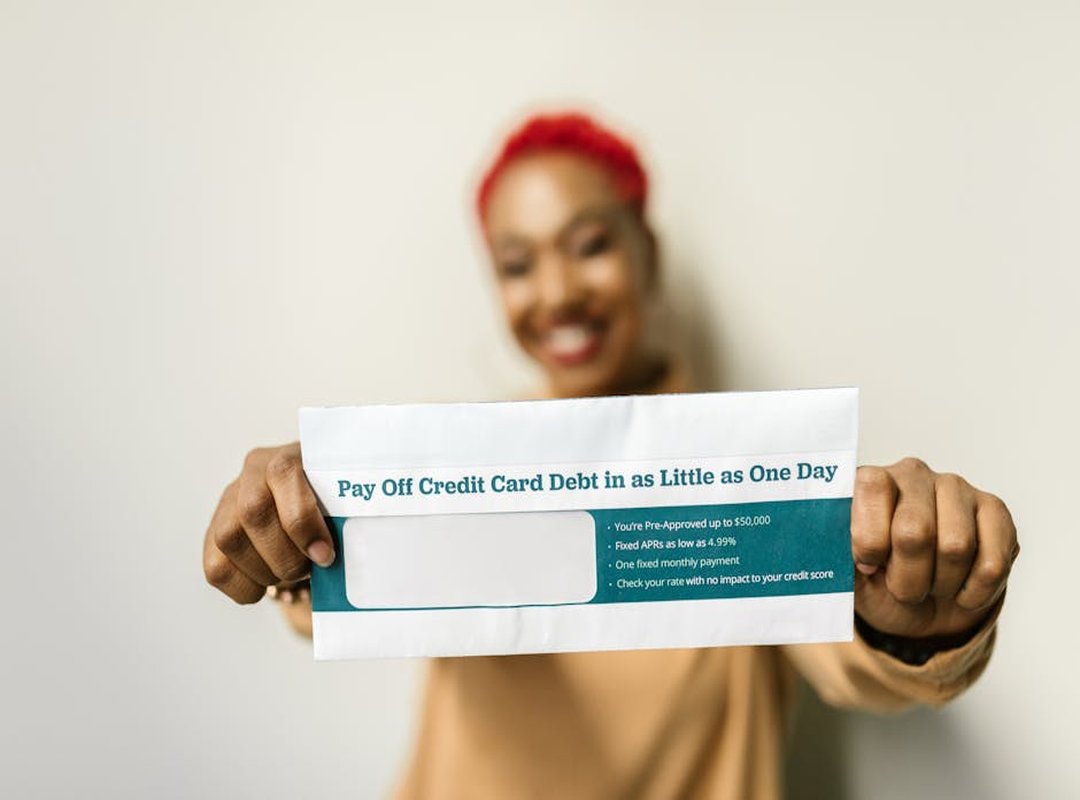
I paid off $42,000 in credit card debt in 22 months. Not with magic. With math and muscle.
“Good debt” is a myth sold to people who haven’t read their mortgage fine print. A mortgage can be low-cost. But it’s not automatically “good.” Credit card debt at 24%?
That’s bad debt. Full stop.
You have two real options. Not three. Not five.
Two.
The Avalanche Method: Pay the highest interest rate first. Ignore balance size. You save the most money.
Period.
The Snowball Method: Pay the smallest balance first. Build momentum. Celebrate quick wins.
I wrote more about this in Financial Advice.
Yes (it) costs more long-term. But if you quit after month four, saving money doesn’t matter.
Which one fits you?
| Method | What You Do | Best For |
|---|---|---|
| Avalanche | Highest interest → lowest | Discipline + spreadsheet energy |
| Snowball | Smallest balance → largest | Motivation that needs fuel |
I tried avalanche first. Lasted six weeks. Then I switched to snowball (and) never looked back.
(Turns out, my brain needs dopamine hits to stay honest.)
Here’s what no one says loud enough: Stop charging while you pay down.
Cut up the cards. Freeze them in a block of ice. Switch to cash for groceries and gas.
Use Venmo only with pre-loaded funds (not) your credit line.
If you keep borrowing while repaying, you’re not climbing a mountain. You’re running on a treadmill strapped to a freight train.
That’s why I always point people toward solid, no-jargon Financial Guidance Ontpeconomy (like) the kind you’ll find on Financial Advice Ontpeconomy.
It’s not about perfection. It’s about consistency.
You don’t need a new budget app. You need one decision: no new debt.
Make it today.
Then make it again tomorrow.
Investing Isn’t Magic (It’s) Math You Can Do
I opened my first brokerage account at 23. No degree. No mentor.
Just a spreadsheet and $50.
People act like investing needs a finance PhD. It doesn’t. Inflation eats cash.
Stocks and bonds usually outpace it. That’s the whole game.
You don’t need to pick winners. You need to own the whole field. That’s why I use index funds.
They track the market, not a guy’s hunch.
Start small. Automate. Every paycheck, move money before you see it.
That’s “pay yourself first.” Not aspirational. Just mechanical.
A 401(k) match? Free money. Take it.
An IRA? Open one now (even) with $25. Consistency beats timing every time.
Most advice is noise. Mine isn’t. I’ve watched friends wait for “the right moment” while rent went up 40%.
You want real Financial Guidance Ontpeconomy? Then skip the jargon and go straight to How Financial Advisors. Read it.
Then open your account.
Your Money Stops Panicking Today
I’ve seen what financial anxiety does to people. It’s not about the numbers. It’s the knot in your chest every time a bill arrives.
You now have four steps. Not ten. Not fifty. Financial Guidance Ontpeconomy means this: Master Cash Flow.
Build a Safety Net. Eliminate Bad Debt. Start Investing Simply.
That’s it.
No jargon. No gatekeeping. Just action.
You don’t need perfection. You need one thing done right now.
What’s the smallest move you can make in the next 24 hours? Open your bank app and track today’s spending? Set up a $5 auto-transfer to savings?
Call one credit card and ask for a lower rate?
Do that one thing. Then come back.
Your future self won’t thank you for waiting.
Start now.