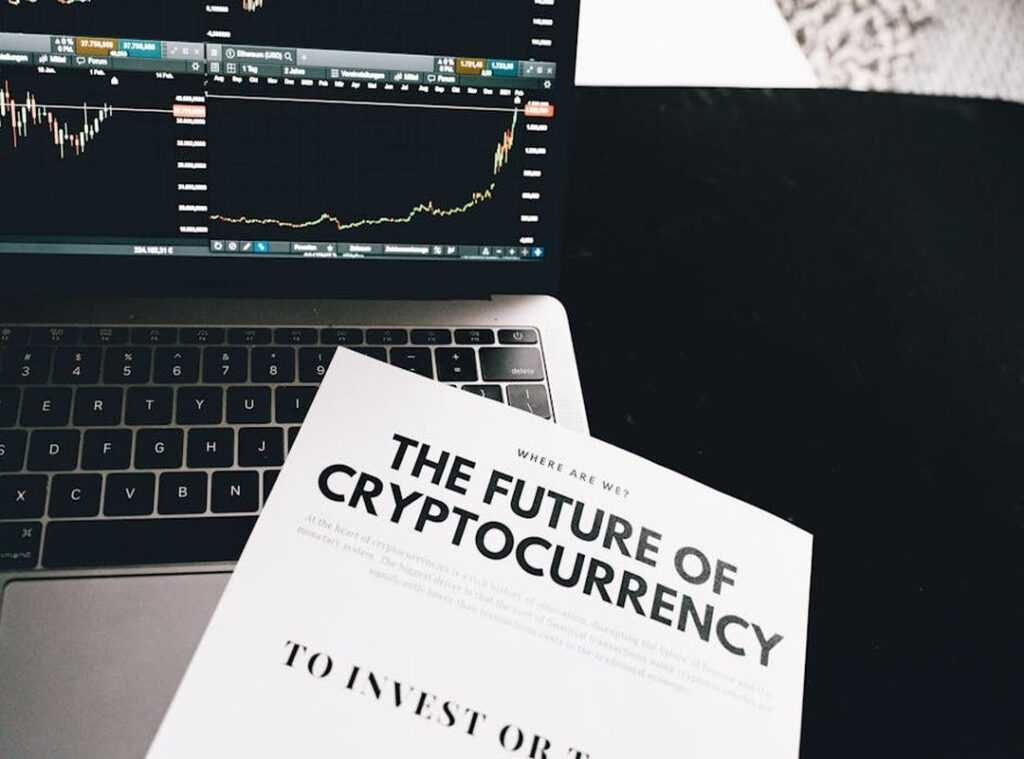
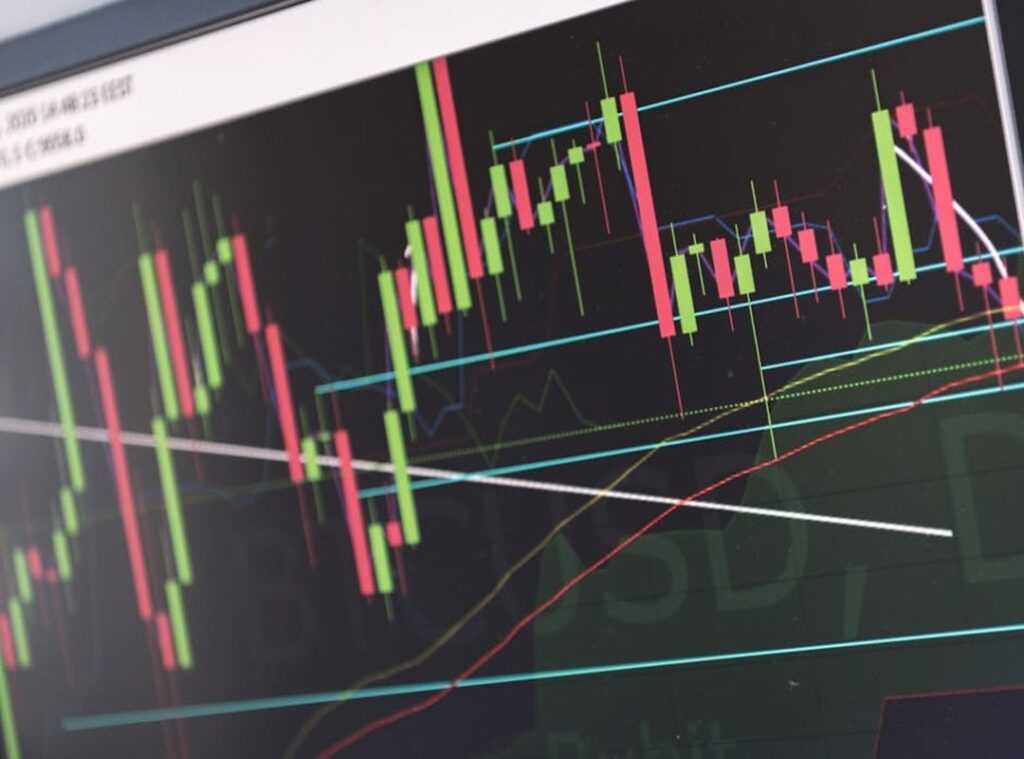
You ever feel like the stock market volatility is just a rollercoaster ride without the thrill? One minute, you’re riding high, and the next, you’re plummeting into uncertainty. It’s frustrating, right?
It’s like you can’t even catch a breath before things shift. If you’re nodding along, you’re not alone. I know how it feels to stare at those fluctuating numbers and wonder if your investments are in safe hands.
But let’s cut through the noise. This article will dive into the nitty-gritty of why the market behaves the way it does. You won’t just get the usual jargon you’ve heard a million times (I promise).
Instead, we’ll break down real-world strategies that can actually help you get through this madness. And yes, I reached out to some finance pros who’ve been in the trenches. They know their stuff.
Stick around, and you’ll walk away with actionable takeaways to steady your investment ship in these unpredictable waters.
What’s Really Driving the Market’s Ups and Downs?
Market fluctuations. They’re just like the ocean’s tides (always) moving, never still. And if you’re in the investing game, you need to get used to it.
Stock market volatility can be jarring, but it’s part of the ride. Let’s break down the big drivers.
First up, economic data. This stuff is like the weather forecast for the market. When inflation reports come out, or the Fed decides to tweak interest rates, it sends ripples through the market.
Picture this: the Fed raises interest rates. Suddenly, borrowing gets pricier. Companies might scale back on growth, and stock prices could take a hit.
It’s like when your favorite band’s tickets go up in price. You might think twice before buying.
Next, geopolitical events. These are the wildcards. Global news and political instability can shake things up because investors hate uncertainty. (It’s like watching a suspense movie without knowing the ending.) When tensions rise in key regions, markets get jittery.
It’s a lot like deciphering cryptocurrency trends expert analysis, where the unknown keeps everyone guessing.
Finally, investor sentiment. This is the mood of the market. Fear and greed are potent forces.
They can drive short-term overreactions that have little to do with a company’s actual value. Remember the GameStop saga? People got swept up in the hype, sending the stock soaring.
Despite the fundamentals. It’s the rollercoaster we all need to accept.
That’s the market for you. It’s unpredictable, like life. So next time you see those charts go wild, you’ll know what’s behind the madness.
Your Brain on Volatility: Sidestep Investor Traps
Ever feel the itch to act when the market dips? You’re not alone. Stock market volatility messes with our heads.
And let’s face it, we’re not always rational when it comes to money. We fall into traps like panic selling. You know the drill: the market drops, fear kicks in, and you think, “I better sell now before I lose more.” It’s like locking in losses on purpose.
Stop right there. Instead of reacting, remember: Reacting is risky, responding is strategic.
And then there’s FOMO. When a stock’s all over the news, you feel that pull, don’t you? Everyone’s buying, so you jump in too, usually at the worst time.
Just before it tanks. By the time you’re in, the smart money’s already out. It’s tempting but don’t let the hype trap you.
Here’s the thing. Your emotional discipline is your biggest asset when markets fluctuate. Seriously, more than any stock pick or hot tip.
But how do you build it? Try setting a ‘no-decision’ rule for 24 hours after a big market swing. Give your emotions time to chill.
While we’re at it, ever wondered if understanding stock market volatility and how it affects your judgment could help? You bet. Knowing the beast makes you less scared of it.
And that’s the key to not panicking.
Face it, the market’s going to test you. It’s built into its DNA. But you can outsmart it by not letting fear drive your decisions.
Keep calm, think it through, and most importantly, give yourself that 24-hour breather. You’ll thank yourself later.
Market Dips: The Three Questions You Need to Ask
When stock market volatility spikes, you might feel like you’re stuck on a rollercoaster without a seatbelt. But here’s the trick: don’t panic. Instead, I’ve got a simple system to keep you grounded.
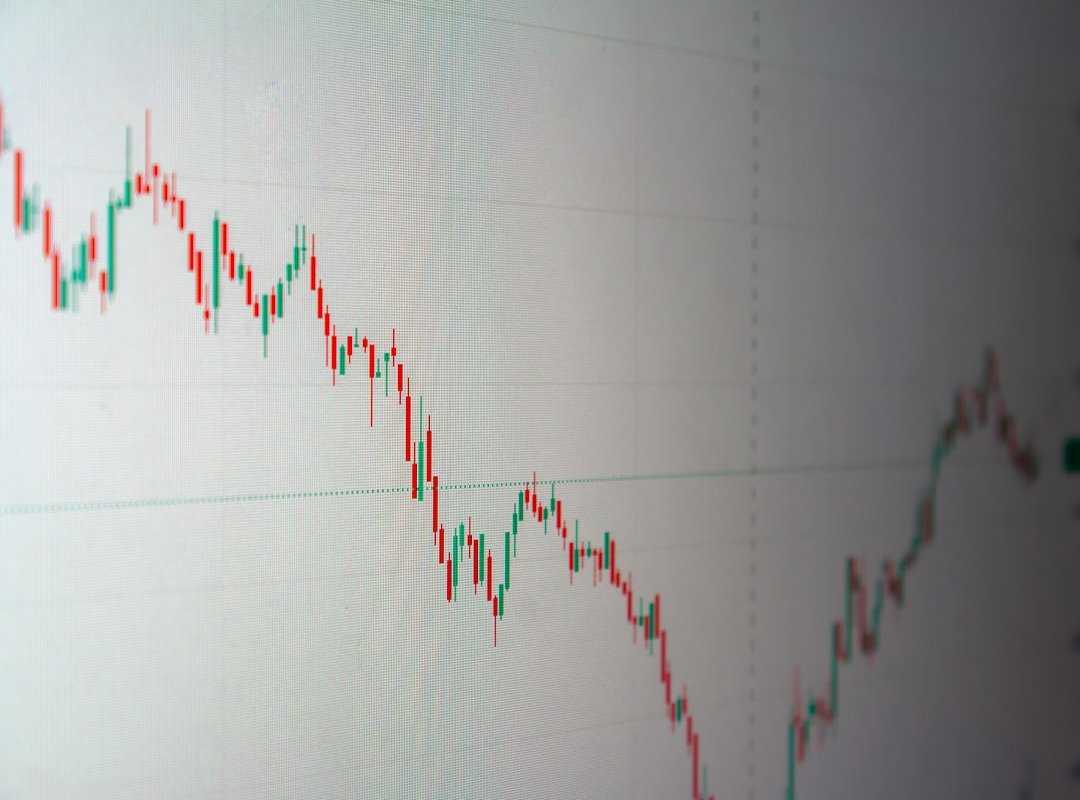
Ask yourself these three questions.
First, is this a market-wide trend or company-specific news? This matters. Think about it.
If inflation numbers tank, that’s a wave crashing over the whole market. A failed product launch? That’s just one company taking a hit.
Knowing whether it’s a broad trend helps you figure out the scale. It’s a key first filter.
Next up, check if the fundamentals of your investments have changed. The fundamentals. I mean, really dig into it.
Remember, short-term price isn’t long-term value.
Are the companies you own still solid competitors in their fields? Is their business model sound? Companies can take a hit on price, but their value might remain unaffected.
Lastly, does this volatility align with your long-term goals? It’s easy to get caught up in the daily noise (trust me, I’ve been there). But if you’re planning for retirement in 20 years, does a one-week dip really matter?
You need to keep your eye on your personal timeline. That’s how you stay rational.
Pro tip: Keep a journal of your investment decisions. You’ll see how these questions play out over time. It also helps in avoiding impulsive moves.
And if you want to dive deeper into understanding these swings, check out some analyzing market crashes expert takeaways. Seriously, it’s a goldmine.
In all this, the biggest takeaway is to stay informed but not overwhelmed. Markets move and emotions can mislead. Stick to the plan.
The rollercoaster might be wild, but your seatbelt’s in asking these questions. Now, don’t let market noise bully you into rash decisions.
Strategic Moves: Turning Volatility Into Opportunity
You’ve probably heard that the stock market is like a roller coaster, full of ups and downs. But instead of holding on in fear, why not ride the waves? Shifting from a defensive to an offensive mindset is key.
Stock market volatility can actually be your friend.
Take Dollar-Cost Averaging. It’s simple: you automatically buy more shares when prices dip and fewer when they’re high. It’s the best way to turn market fluctuations into a friend.
Then there’s rebalancing your portfolio. If it sounds like gardening, it kind of is. You trim your winners and nurture the underperformers.
Like getting stuff on sale, who doesn’t love that?
By pruning the overgrown plants, you allow others to soak up sunlight, keeping your garden lush and balanced. Discipline rules here. You buy low, sell high, and keep emotions out.
That’s how you play it smart.
Pro tip: Always keep an eye on your goals. It’s easy to get swept up by market noise (we’ve all been there). But remember why you started.
Whether you’re into momentum or value, take these strategic moves and own the chaos. Who knew volatility could be so… useful?
Mastering Market Challenges
You’ve got this. You now have the tools to tackle stock market volatility without losing your cool. The fear and uncertainty from a volatile market don’t stand a chance against your new plan.
Why? Because you focus on long-term fundamentals and stick to a disciplined approach instead of reacting emotionally. That’s how you build wealth (steady) and sure.
So, what’s next? Dive into your portfolio. Use the 3-question system you’ve learned.
It’s your first step. We’re talking real change. Want financial peace?
Start now. Review, adjust, and feel confident in your investment journey. Ready to take charge?
Go for it.
 Wealth & Investment Analyst
Lisa Timberlakeresty is the kind of writer who genuinely cannot publish something without checking it twice. Maybe three times. They came to core finance strategies through years of hands-on work rather than theory, which means the things they writes about — Core Finance Strategies, Expert Breakdowns, High-Yield Wealth Models, among other areas — are things they has actually tested, questioned, and revised opinions on more than once.
That shows in the work. Lisa's pieces tend to go a level deeper than most. Not in a way that becomes unreadable, but in a way that makes you realize you'd been missing something important. They has a habit of finding the detail that everybody else glosses over and making it the center of the story — which sounds simple, but takes a rare combination of curiosity and patience to pull off consistently. The writing never feels rushed. It feels like someone who sat with the subject long enough to actually understand it.
Outside of specific topics, what Lisa cares about most is whether the reader walks away with something useful. Not impressed. Not entertained. Useful. That's a harder bar to clear than it sounds, and they clears it more often than not — which is why readers tend to remember Lisa's articles long after they've forgotten the headline.
Wealth & Investment Analyst
Lisa Timberlakeresty is the kind of writer who genuinely cannot publish something without checking it twice. Maybe three times. They came to core finance strategies through years of hands-on work rather than theory, which means the things they writes about — Core Finance Strategies, Expert Breakdowns, High-Yield Wealth Models, among other areas — are things they has actually tested, questioned, and revised opinions on more than once.
That shows in the work. Lisa's pieces tend to go a level deeper than most. Not in a way that becomes unreadable, but in a way that makes you realize you'd been missing something important. They has a habit of finding the detail that everybody else glosses over and making it the center of the story — which sounds simple, but takes a rare combination of curiosity and patience to pull off consistently. The writing never feels rushed. It feels like someone who sat with the subject long enough to actually understand it.
Outside of specific topics, what Lisa cares about most is whether the reader walks away with something useful. Not impressed. Not entertained. Useful. That's a harder bar to clear than it sounds, and they clears it more often than not — which is why readers tend to remember Lisa's articles long after they've forgotten the headline.